Alibaba Cloud on OpenClaw: Which Option Fits Your Workflow Best?
Alibaba Cloud OpenClaw is usually not a separate product name. In most cases, people use this keyword when they want to understand how OpenClaw runs on Alibaba Cloud, which deployment options are available, and whether Alibaba Cloud is the right place to host it.
The search intent behind OpenClaw Alibaba Cloud is often broader than setup alone. Some users want a quick explanation of the relationship between OpenClaw, Alibaba Cloud, and Alibaba Model Studio. Others are already comparing self-hosting on Alibaba Cloud with a simpler managed path that removes most of the operational work.
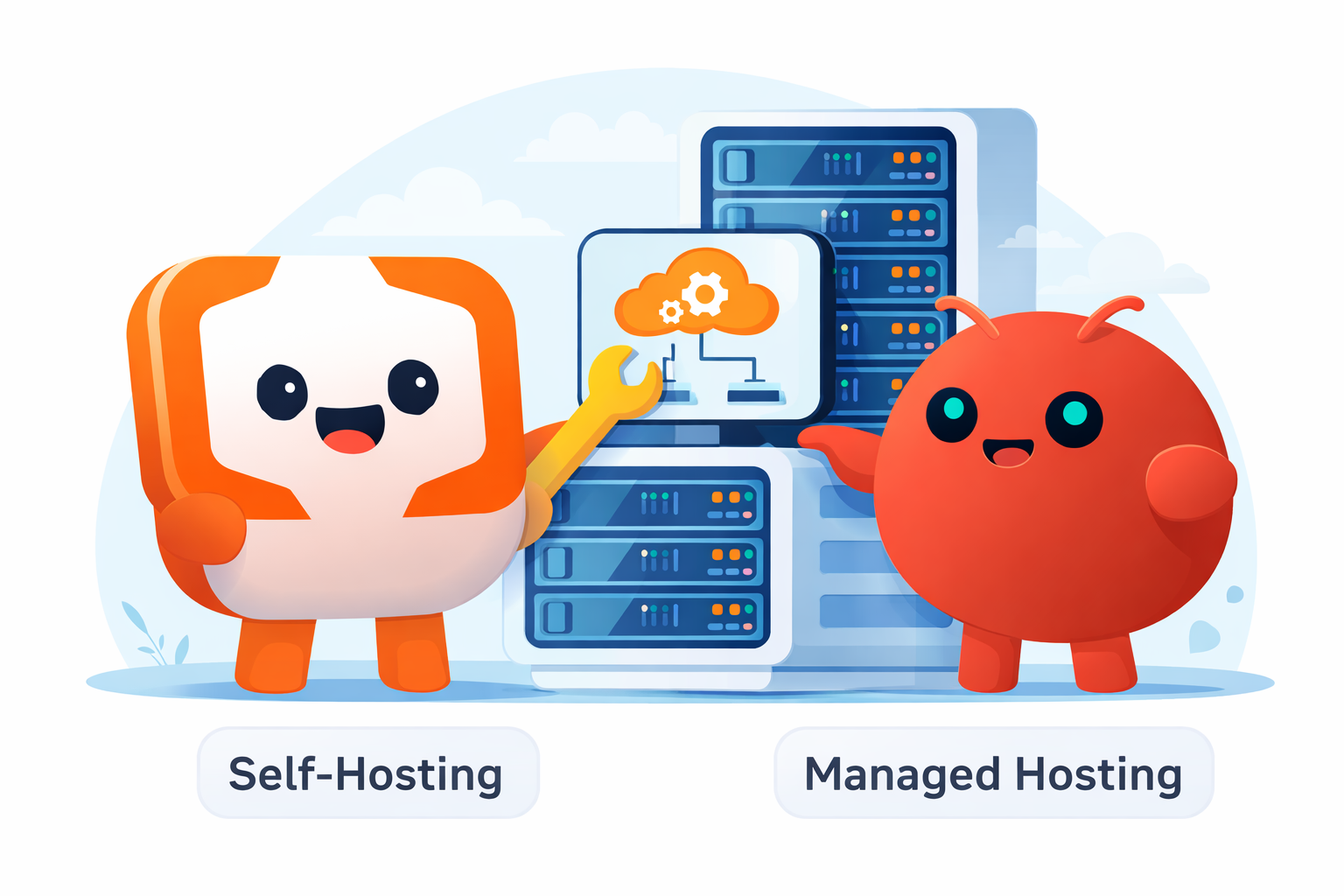
This guide focuses on both sides of that decision. It explains what Alibaba OpenClaw actually refers to, how OpenClaw works on Alibaba Cloud, and when self-hosting makes sense compared with using a managed alternative like MyClaw.
What Alibaba Cloud on OpenClaw Actually Refers To
Alibaba Cloud OpenClaw usually refers to running OpenClaw on Alibaba Cloud infrastructure rather than a completely separate Alibaba product. The phrase is often used loosely across search, documentation, and community tutorials, which is why many users are unsure whether they are looking at an official product, a cloud deployment method, or a model integration.
In practice, the keyword can point to a few related things. It may refer to deploying OpenClaw on Alibaba Cloud servers, using Alibaba Cloud tools and account resources to host an OpenClaw instance, or connecting OpenClaw to Alibaba Model Studio and supported models. These are related workflows, but they are not exactly the same thing.
 That distinction matters because the right choice depends on what you are actually trying to solve. If you want full infrastructure control, Alibaba Cloud self-hosting may be the right fit. If you mainly want a faster way to start using OpenClaw without taking on deployment, security, and maintenance overhead? A managed option such as MyClaw may fit your workflow better.
How OpenClaw Works on Alibaba Cloud
Deployment Options for OpenClaw Alibaba Cloud Setups
OpenClaw can run on Alibaba Cloud in several ways, depending on how much control your team needs and how they are evaluating OpenClaw alternatives. Some teams choose a simple server deployment to get started quickly, while others use ECS or a more structured setup to manage networking, storage, permissions, and scaling in greater detail. The tradeoff is consistent across most OpenClaw alternatives: more infrastructure control usually means more operational ownership for your team.
Which Models You Can Connect
 OpenClaw is not limited to a single model path. On Alibaba Cloud, teams may connect it to Alibaba Model Studio and compatible models or configure other supported providers depending on their workflow. For most users, the important question is not just model availability, but how easily they can switch providers, manage keys, and keep costs predictable as usage grows.
How Access, Ports, and Authentication Usually Work
After deployment, users typically access OpenClaw via a web interface or a service endpoint exposed by their cloud environment. That means your team has to think about ports, authentication, network access, and how much of the instance should be reachable from the public internet. Even when deployment is straightforward, secure access is often where the real work begins.
Two Ways Teams Usually Run OpenClaw Around Alibaba Cloud
Self-Host OpenClaw on Alibaba Cloud
The self-hosted route gives you direct ownership of the environment. You choose the server, configure access, connect the model layer, and handle updates over time. This can be the right option if your team already has cloud operations experience or needs OpenClaw to fit into a custom internal stack with strict account and infrastructure control.
Also read: OpenClaw vs. Claude Cowork: Which One Is Better >>
Use MyClaw as the Simpler Managed Alternative
 The other path is to use MyClaw as a managed OpenClaw environment instead of owning the full deployment lifecycle yourself. This approach is often a better fit for teams that want the benefits of OpenClaw without spending time on provisioning, security hardening, maintenance, and recovery planning. It changes the question from how to host OpenClaw to how to start using it reliably.
What Self-Hosting Still Leaves on Your Team
❌ Internet Exposure & Access Risk: A working deployment is not automatically a safe deployment. If OpenClaw is exposed too broadly, your team may introduce unnecessary internet-facing risk, especially when access controls are minimal or rushed during setup. This becomes more important when multiple teammates or shared environments are involved.
❌ Security Ownership & Hardening: With self-hosting, security is your responsibility from day one. That includes network rules, authentication, patching, secrets management, user access controls, and how logs or model credentials are handled. Teams that underestimate this part often find that the hosting decision creates more security work than expected.
❌ Updates, Backups, & Day-2 Operations: The operational cost of OpenClaw starts after deployment, not before it. Once the instance is live, someone still needs to handle upgrades, compatibility checks, backups, rollback planning, and environment stability. These tasks are manageable, but they are easy to ignore when the first goal is simply getting OpenClaw online.
❌ Monitoring & Incident Response: If the service slows down, breaks after an update, or becomes inaccessible, your team needs a way to detect the issue and respond quickly. That means monitoring, alerting, and a clear recovery path. For small teams, this is often the point where self-hosting becomes less attractive in practice than it looked during initial setup.
What MyClaw Adds Beyond Deployment
Private Isolated OpenClaw
MyClaw is designed for teams that want a more private and contained OpenClaw environment without building that setup from scratch. Instead of starting with raw infrastructure decisions, you start with a managed environment intended for actual day-to-day use.
Always-On Access Without Self-Ops
A managed setup reduces the amount of operational ownership your team carries. Rather than maintaining the service yourself, you can focus on workflows, prompts, testing, and team usage. That is often the better tradeoff when the goal is productivity rather than infrastructure control.
Updates, Backups, and Support
OpenClaw managed deployment becomes more valuable over time because it covers the recurring work that self-hosting leaves behind. Updates, backups, and support are not side details. They are part of what makes OpenClaw usable for a team over weeks and months rather than only on launch day.
Faster Time to Useful Workflows
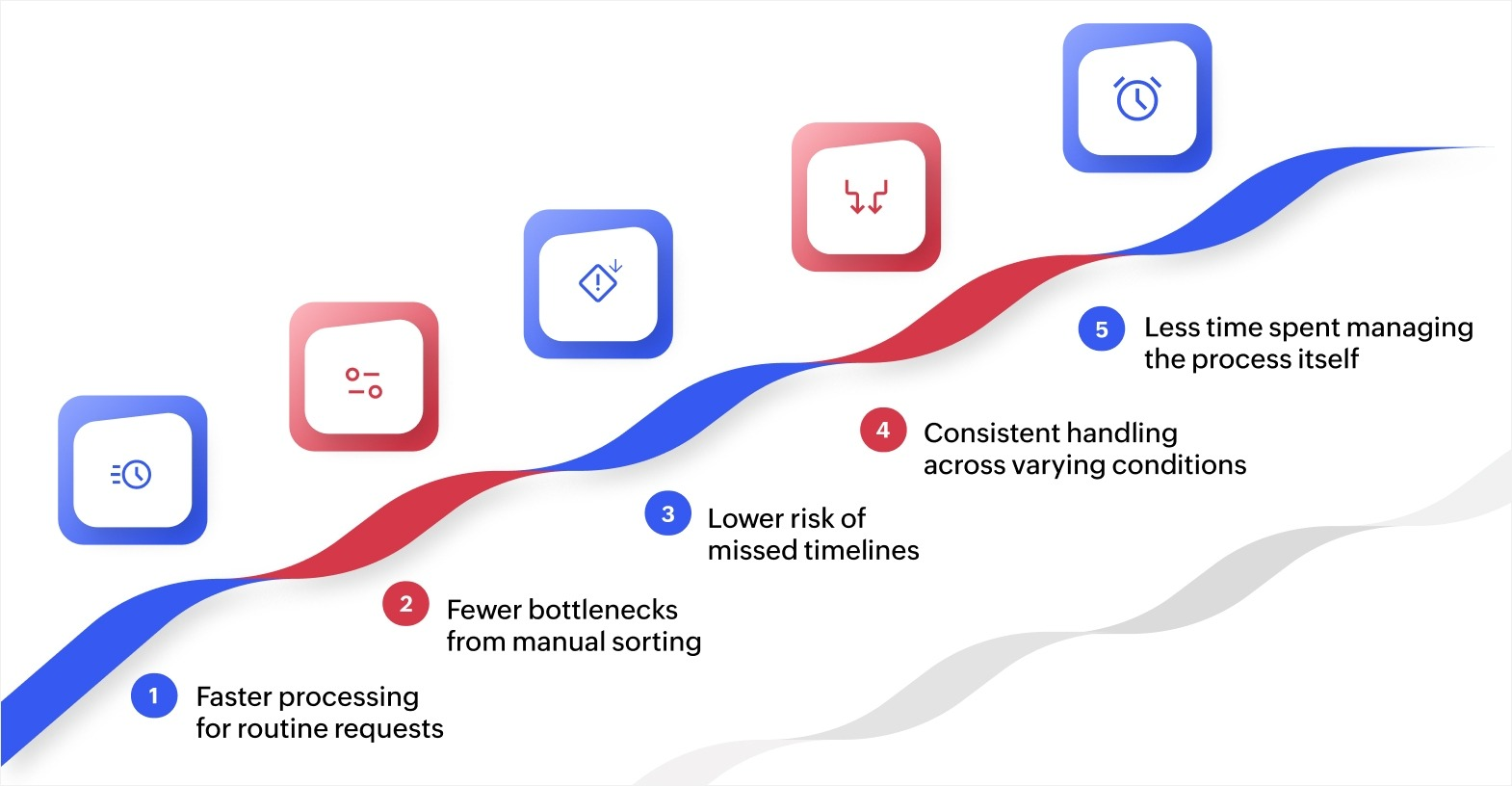 Many teams do not actually need another cloud project to manage. They need OpenClaw running in a stable way so they can start building workflows and evaluating outcomes. MyClaw shortens that path by reducing setup friction and ongoing maintenance overhead.
How to Use MyClaw to Get Managed Deployment Easily
Step 1: Choose the MyClaw setup that matches your team size and expected usage so you start with the right level of managed access.
Step 2: Connect your preferred model provider and configure the core workflow settings your team needs for testing and daily use.
Step 3: Start using OpenClaw in a managed environment without taking on the full burden of cloud deployment, security hardening, and operational maintenance.
FAQ about Alibaba OpenClaw
What does Alibaba OpenClaw mean?
It usually refers to running OpenClaw on Alibaba Cloud or using OpenClaw with Alibaba-related cloud services and model integrations.
Is Alibaba OpenClaw an official Alibaba product?
Not always in the way users first assume. The term is often used as a shorthand for an Alibaba Cloud deployment setup rather than a standalone official product name.
Can you deploy OpenClaw on Alibaba Cloud without deep DevOps knowledge?
Yes, but simple deployment is only part of the job. Secure access, maintenance, and recovery planning still require some operational ownership.
What is the difference between OpenClaw Alibaba Cloud and Alibaba Model Studio?
Alibaba Cloud is the cloud environment where you can host OpenClaw. Alibaba Model Studio is a model and AI service layer that may be connected to OpenClaw depending on the setup.
Is Alibaba Cloud OpenClaw safe for team use?
It can be, but only if access controls, network exposure, authentication, and maintenance are handled properly. Team use raises the operational bar compared with a personal test deployment.
How much does it cost to run OpenClaw on Alibaba Cloud?
The total cost depends on server choice, uptime, traffic, storage, and model usage. In practice, teams should think about both infrastructure cost and the internal time spent managing the deployment.
Conclusion
Alibaba Cloud OpenClaw can be a strong fit if your team wants direct infrastructure control and is prepared to manage security, updates, and operations over time. But for many teams, the harder problem is not getting OpenClaw deployed once. It is keeping it available, secure, and easy to use. If that is the real requirement, MyClaw is often the more practical path because it lets your team focus on workflows instead of running the whole environment themselves.
Skip the setup. Get OpenClaw running now.
MyClaw gives you a fully managed OpenClaw (Clawdbot) instance — always online, zero DevOps. Plans from $19/mo.